
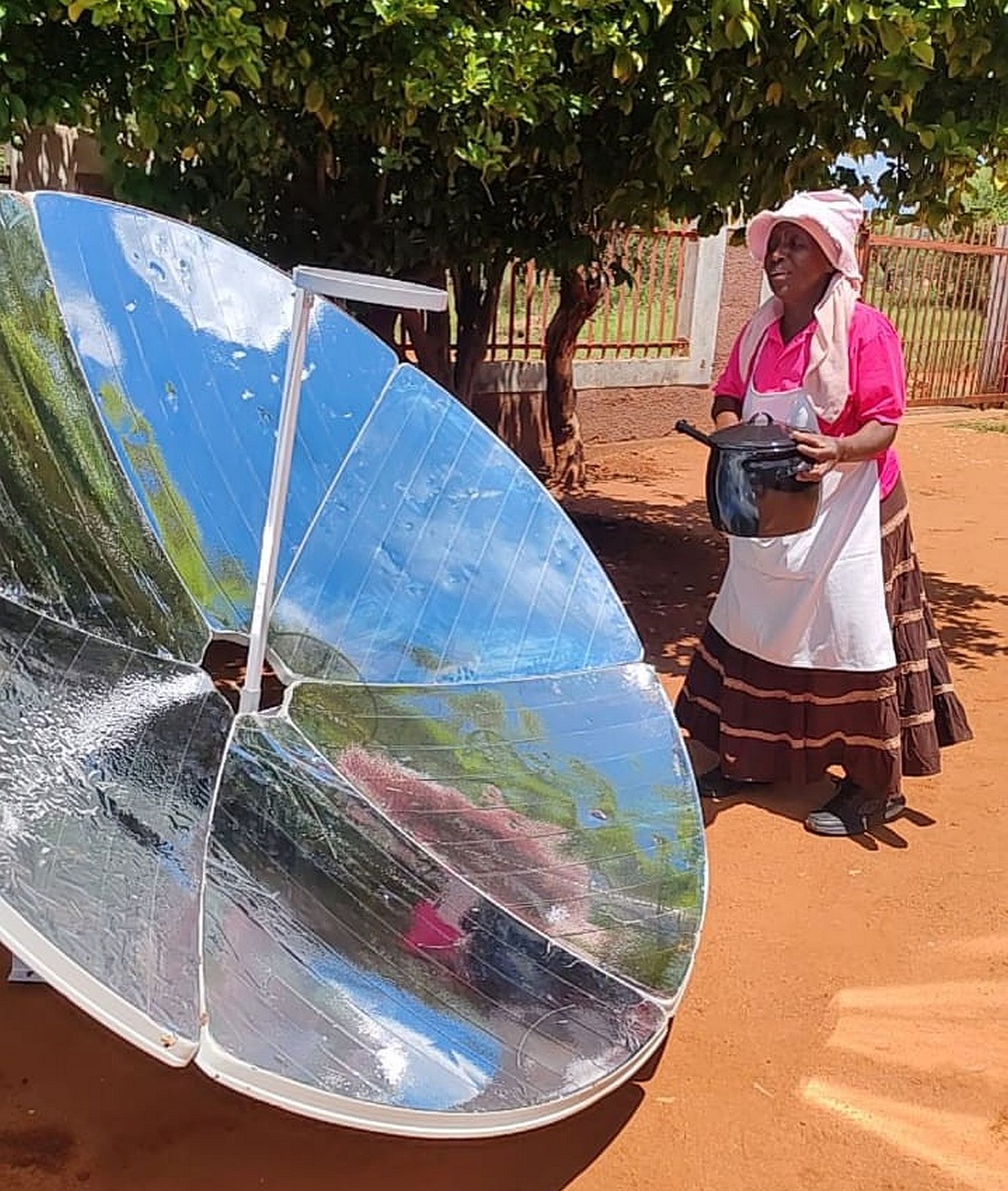
Completed Solar Cooker in Motlasedi village in Limpopo.
South Africa’s energy transition is often discussed in billions of rands, gigawatts and major infrastructure projects. But sometimes the most meaningful energy solutions are much smaller.
Since October 2025, Earthlife Africa has delivered more than 100 solar cookers to more than 100 families across around 10 villages in Lephalale and Venda, Limpopo. And the feedback from communities is clear: people are finding them useful, cleaner and safer than making fires, while also saving money on cooking fuel.
We have already had some really positive feedback – community members are very happy with their solar cookers and how they work. For households facing energy poverty, that matters. A cooker that uses Limpopo’s abundant sunshine can reduce reliance on firewood and other purchased fuels, while providing a practical way to meet one of the most basic household energy needs: cooking.
This is the kind of energy intervention that can easily be overlooked because it is small and quite simple. But its impact is precisely what makes it worth paying attention to.
Small technology, real benefits
A solar cooker will not solve South Africa’s energy crisis, and it will not replace the electricity grid. Nor should small-scale solutions become an excuse for government to delay investment in reliable, universal electricity access. But that is not the choice we face.
A just energy transition should be about finding the right solution for the problem. Sometimes that means a power station or transmission line. Sometimes it means solar, wind, a mini-grid, a battery, an efficient appliance – or a solar cooker. The question should be: what does this household or community actually need, and what is the most appropriate way to provide it? In Limpopo, the answer can sometimes be remarkably simple: use the sunshine that is already there.
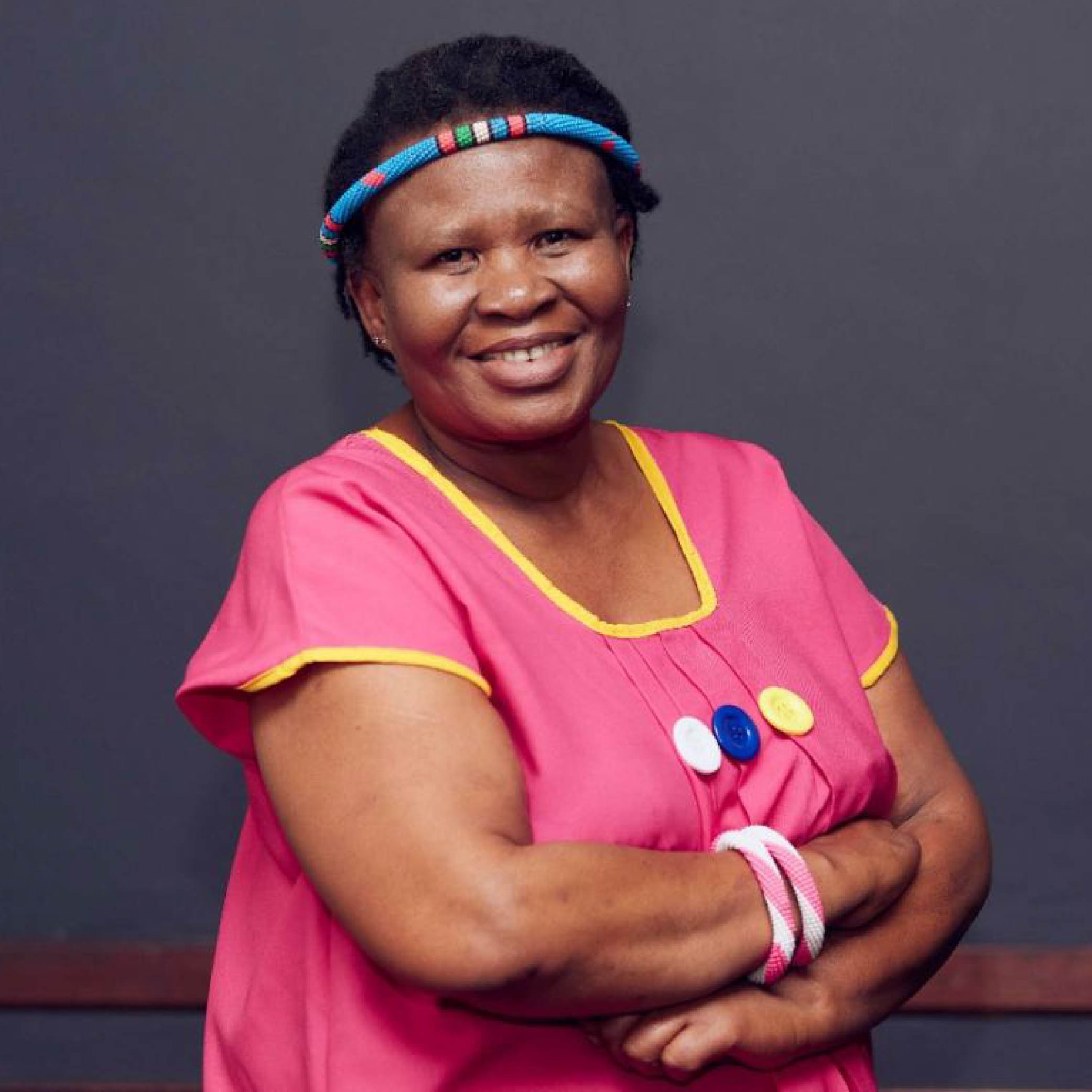
Earthlife Africa’s director, Makoma Lekalakala.
An energy transition that works for women
This matters particularly for women and girls, who often carry much of the responsibility for household cooking and gathering firewood. Using sunlight for cooking can mean less firewood to collect, less money spent on fuel and less time travelling long distances to find it. It can also reduce exposure to some of the safety risks associated with collecting wood or using unsafe fuels.
That is why Earthlife Africa has worked with communities – particularly women – to ensure that people have the skills to assemble, use and maintain their solar cookers. The goal is not simply to provide a piece of technology. It is to build knowledge, confidence and local ownership. This is what empowerment looks like in practice. People are not simply receiving an energy solution; they are gaining greater control over how they meet their own energy needs.

Earthlife Africa’s Senior Programs Officer, Thabo Sibeko.
Putting people at the centre
South Africa’s just energy transition should be measured not only in megawatts of renewable energy or billions invested, but also in whether people’s lives are improving. For communities facing energy poverty, the benefits can be very immediate: lower costs, cleaner cooking, less reliance on scarce resources and greater control over household energy.
The more than 100 families now using solar cookers in Limpopo are one small contribution to that much bigger transition. But they demonstrate an important principle: energy solutions do not always have to be the biggest or most expensive ones to make a difference.
What does it mean to empower women through the energy transition? It means ensuring that women are not simply recipients of new infrastructure, but are equipped with the knowledge, skills and opportunities to participate, lead and shape the energy systems that affect their lives.
A just transition should start there: with people and their needs, and with solutions that give them greater power over their own energy future.
Makoma Lekalakala is the Director at Earthlife Africa Johannesburg, and Thabo Sibeko the Senior Programs Officer